

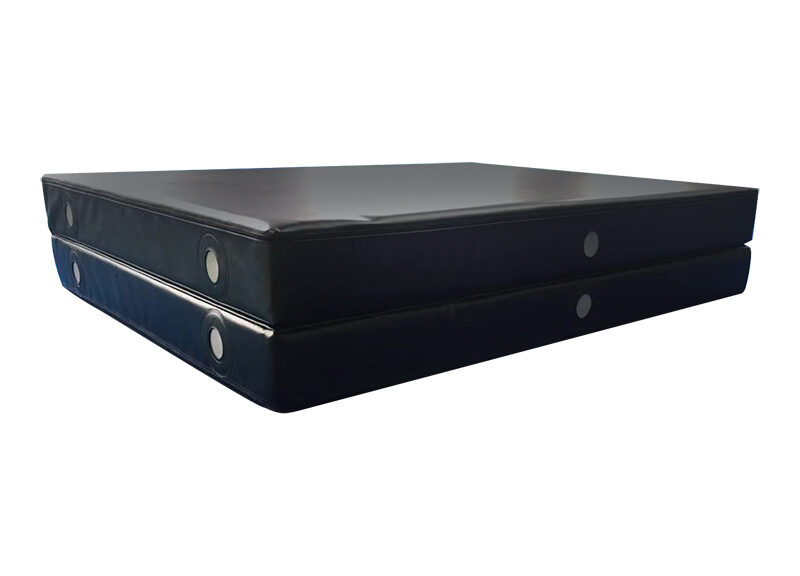
Unveiling the Versatility of Crash Mats: A Must-Have for Every Gym
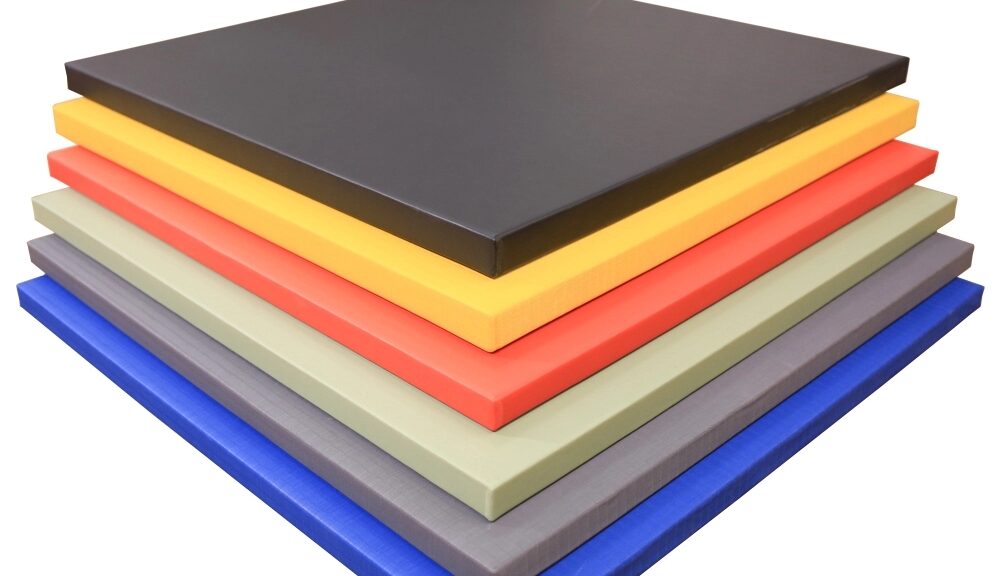
In the bustling world of fitness and athletics, having the right equipment can make all the difference in ensuring safety, performance, and success. Among the essentials that stand out for their remarkable versatility are crash mats. These thick, cushioned mats are not only indispensable for gymnastics and martial arts but also find utility across a spectrum of activities, making them a cornerstone of any professional gym setup. Today, let’s explore the myriad uses of crash mats versatility and how they seamlessly integrate with other mats, especially roll-out mats, to create a top-tier training environment.
Gymnastics and Acrobatics
One of the most prominent uses of crash mats is in gymnastics and acrobatics training. These mats provide essential cushioning for athletes practicing flips, tumbles, and aerial maneuvers, minimizing the risk of injury during landings. Whether it’s on the balance beam, vault, or floor exercise, crash mats offer peace of mind to gymnasts as they push the boundaries of their skills.
Martial Arts and Combat Sports
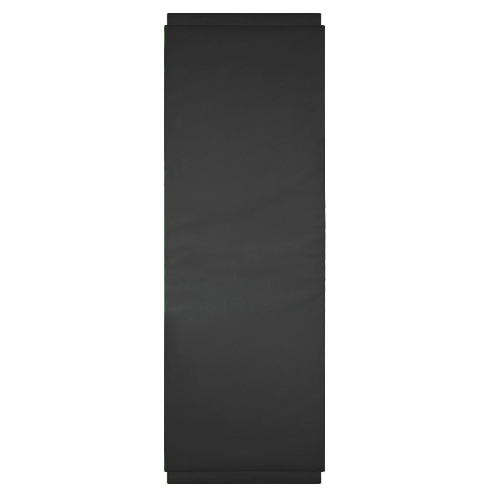
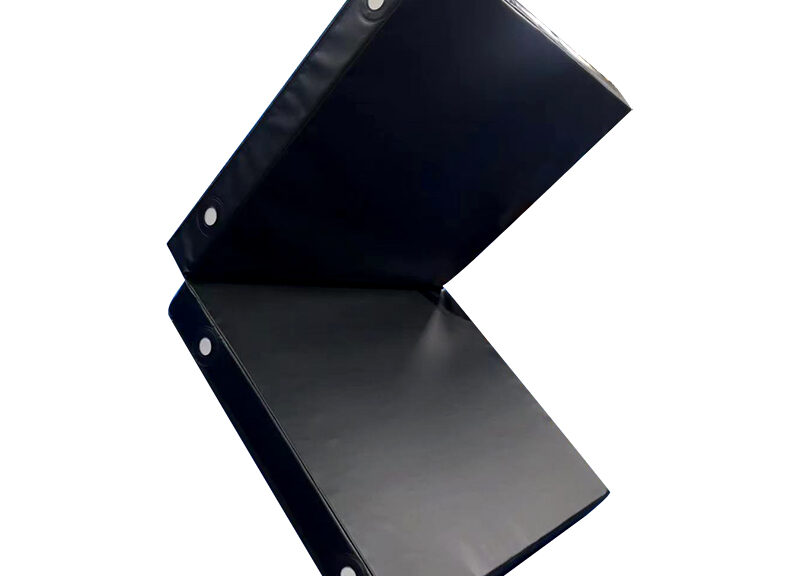
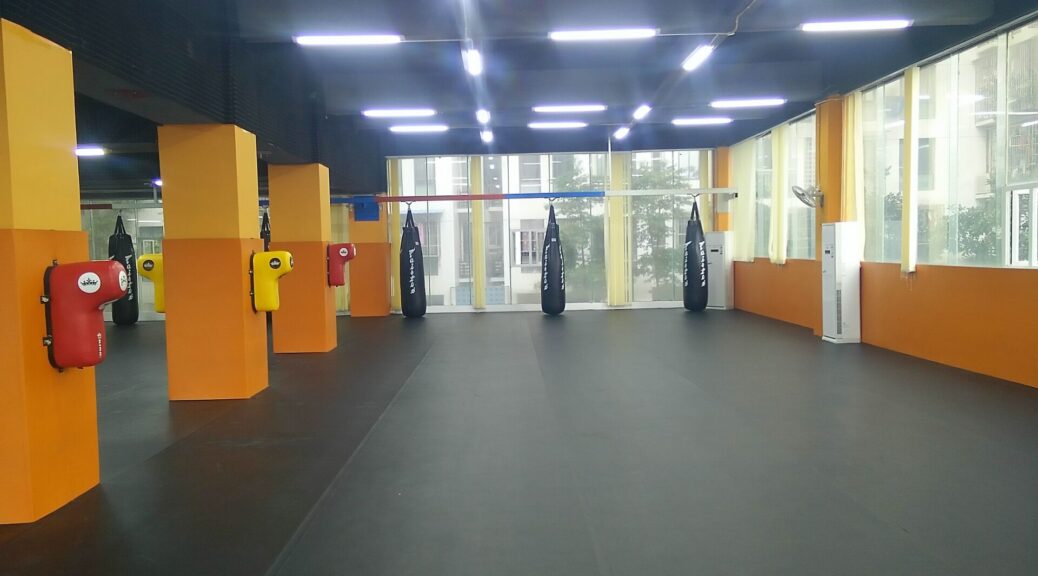
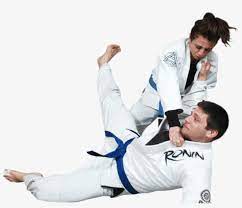
In the realm of martial arts and combat sports, safety is paramount. Crash mats serve as reliable shock absorbers, offering protection during throws, takedowns, and grappling techniques. They provide a soft landing surface, reducing the impact on joints and bones during high-intensity training sessions. From judo and jiu-jitsu to wrestling and MMA, crash mats are indispensable for practitioners of all levels.
Parkour and Freerunning
Parkour enthusiasts and freerunners are no strangers to pushing their limits in urban environments. Crash mats serve as essential safety measures during training, allowing athletes to practice jumps, flips, and vaults with confidence. Whether it’s leaping from rooftops or navigating obstacles in the urban landscape, crash mats provide a reliable safety net, enabling practitioners to hone their skills without fear of injury.
Physical Therapy and Rehabilitation
Beyond the realm of sports and athletics, crash mats play a crucial role in physical therapy and rehabilitation settings. These mats provide a soft, supportive surface for patients recovering from injuries or undergoing rehabilitation exercises. Whether it’s balance drills, stretching routines, or gentle movements, crash mats offer a comfortable and secure environment for individuals on the path to recovery.
Integration with Roll-Out Mats
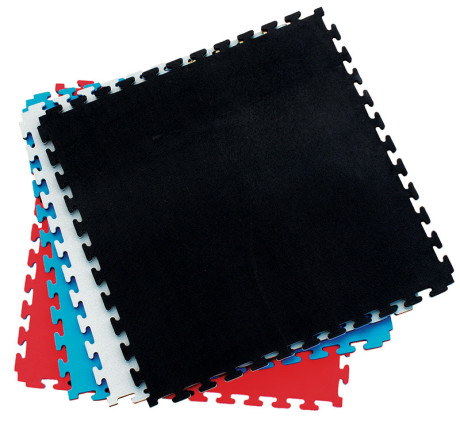
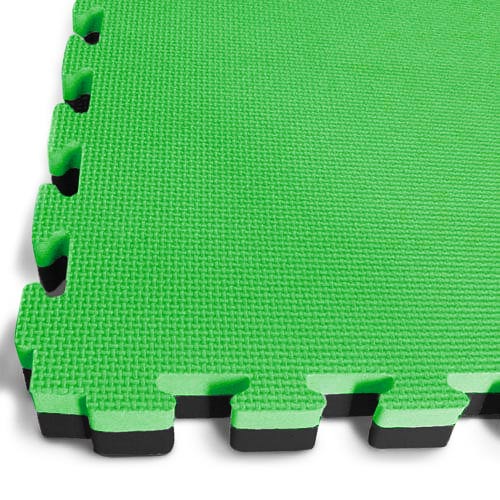
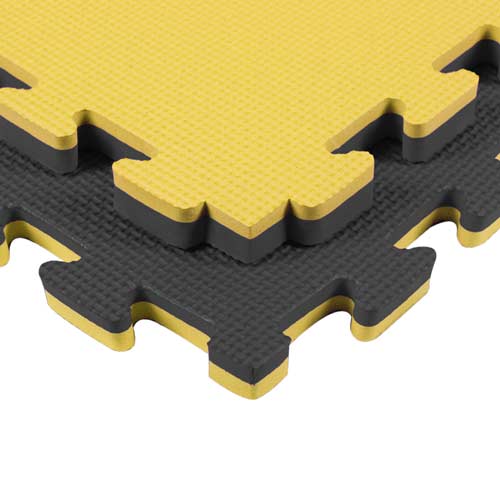
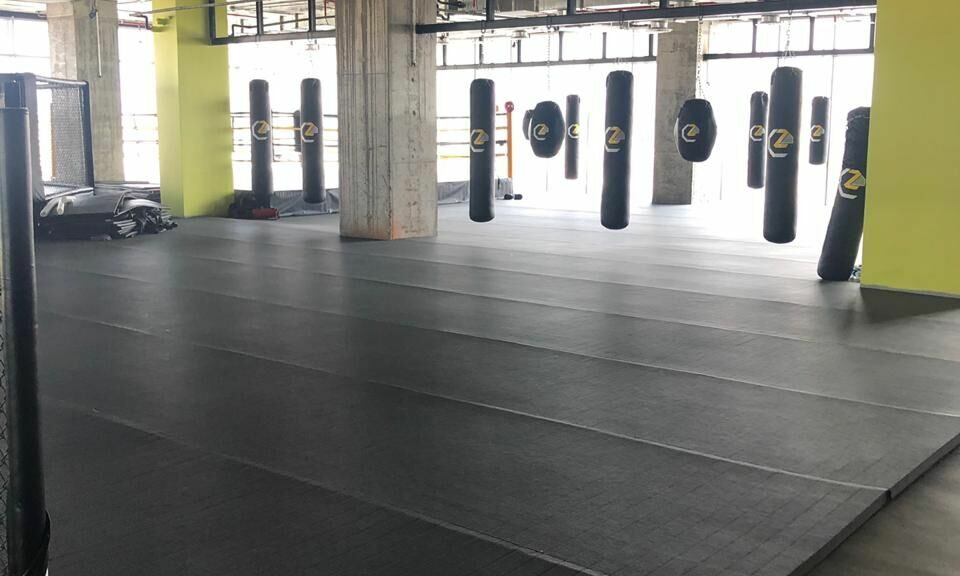
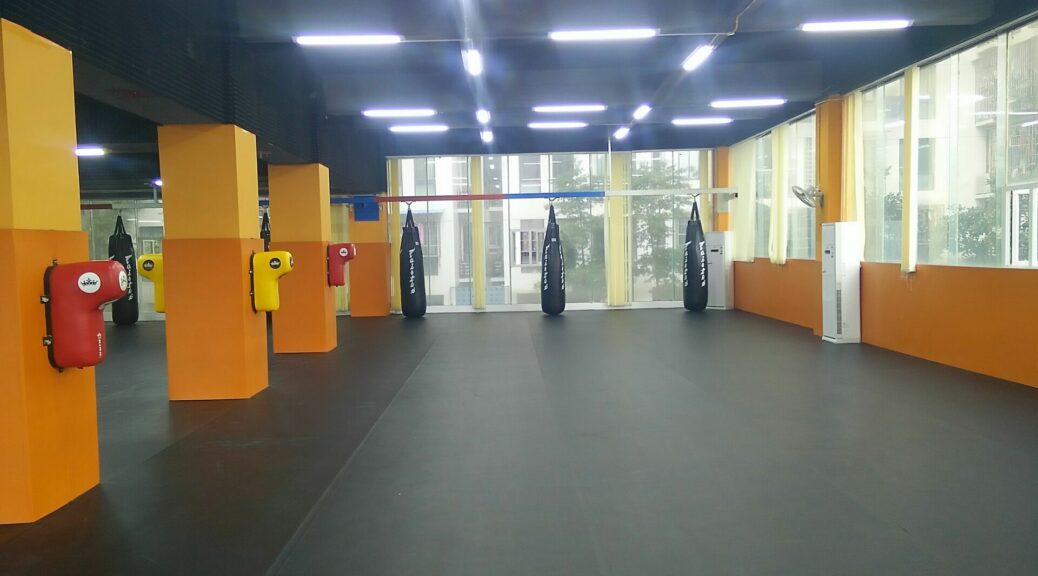
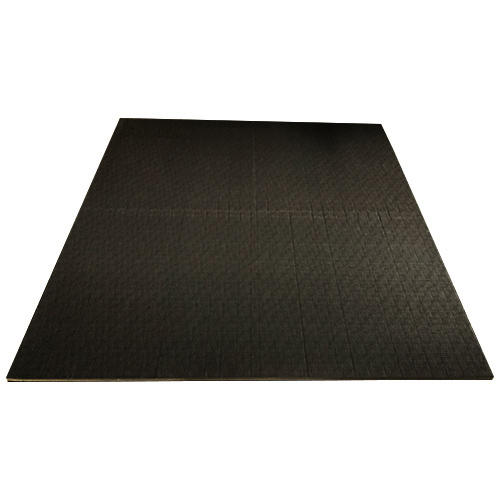
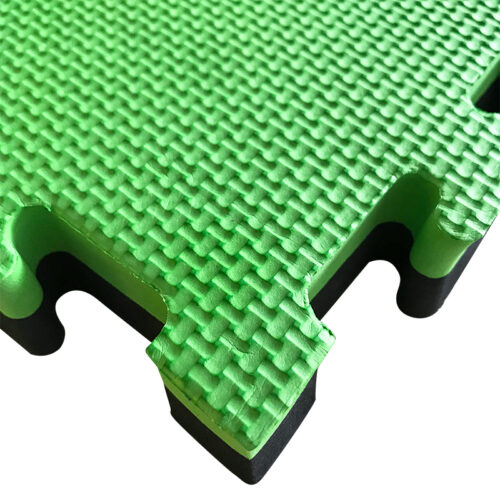
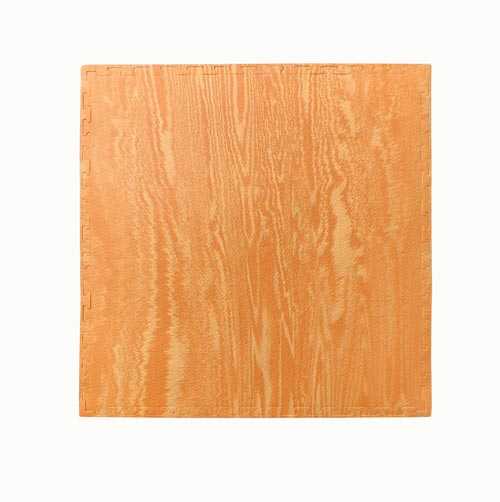
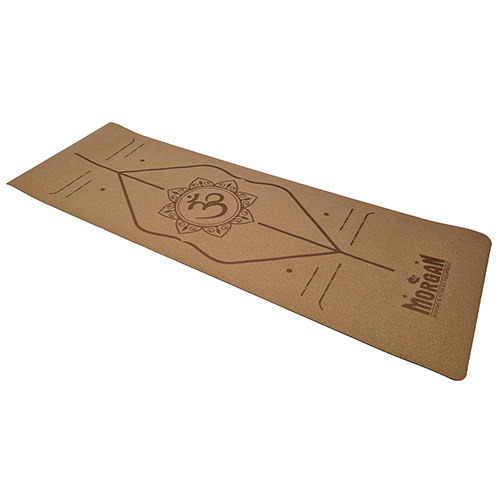
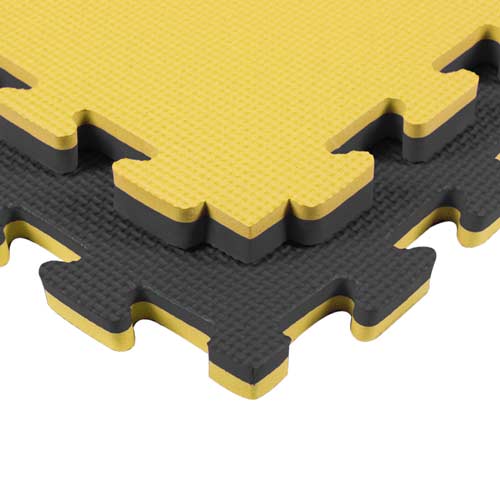
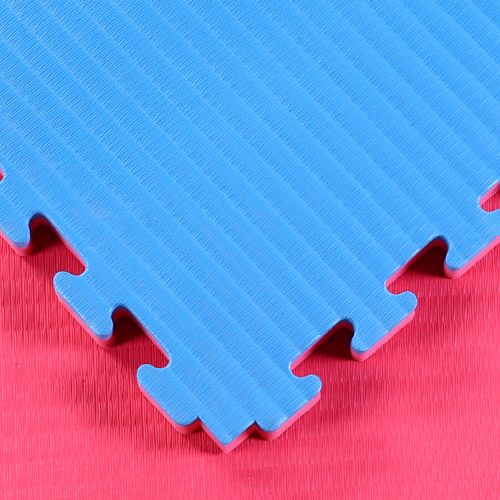
While crash mats excel in providing cushioning and impact absorption, they complement other types of mats to create a comprehensive training environment. Roll-out mats, known for their convenience and portability, pair seamlessly with crash mats to expand the training area and accommodate a variety of exercises. Whether it’s rolling, tumbling, or performing floor-based routines, the combination of crash mats and roll-out mats offers versatility and flexibility for athletes of all disciplines.
Southern Cross Mats: The Professional Choice
When it comes to sourcing high-quality mats for professional gyms, Southern Cross Mats stands out as the first choice. With a commitment to excellence and durability, Southern Cross Mats provide crash mats that meet the rigorous demands of gym owners, trainers, and athletes. From superior cushioning to reinforced stitching, their crash mats are designed to withstand the rigors of daily use, ensuring long-lasting performance and safety.
Crash Mats are Indispensable
In the dynamic world of fitness and athletics, crash mats emerge as indispensable allies, offering unparalleled versatility and safety across a wide range of activities. Whether it’s gymnastics, martial arts, parkour, or rehabilitation, these cushioned mats provide the confidence and protection athletes need to push their limits and excel in their pursuits. When combined with roll-out mats from Southern Cross Mats, they form a powerhouse duo, creating a professional training environment that fosters growth, development, and success. Invest in crash mats from Southern Cross Mats and elevate your gym to new heights of excellence.


Follow us:


